Signs Your Asphalt Needs Resurfacing or Replacement in Fairfax, VA
This guide explains the signs that show when asphalt paving services in Fairfax, VA, may call for resurfacing or full replacement. Northern Virginia pavement deals with freeze-thaw cycles, road salt, and clay-heavy soil. Damage from these forces often follows clear patterns. Knowing what each sign means helps you act before a small repair turns into a bigger job.
Cracks Are the First Sign to Check
Cracks tell you more about your driveway's health than any other sign. They often start small and grow with each winter.
Hairline and Surface Cracks
Thin cracks on the surface are common on older pavement. They usually come from weather changes and aging. If the base underneath is still solid, these cracks can often be filled or covered with a new layer.
Alligator Cracking
Alligator cracking looks like a web of connected cracks, much like reptile skin. It often points to a base problem, heavy loads, or a poor original install. Because the damage runs deeper than the surface, patching alone rarely holds. This pattern is one of the stronger signs that replacement may be needed.
Potholes and Soft Spots Point to Base Trouble
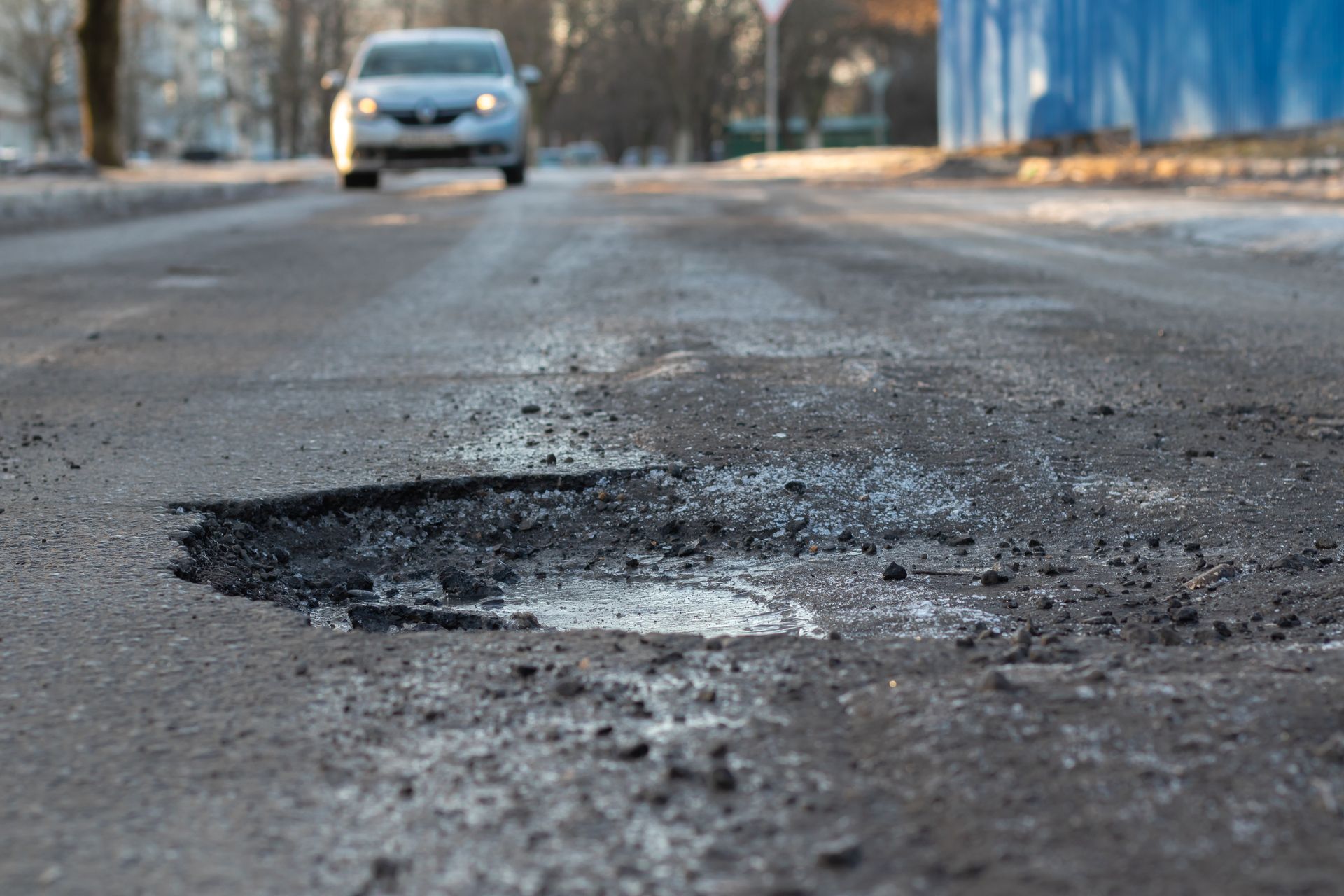
Potholes form when water gets under the asphalt and the base below loses its strength. Traffic then breaks the weak spot loose.
A single small pothole can sometimes be patched. Several potholes, or soft spots that sink under your foot or tire, suggest the base is failing. Water that freezes and thaws in these gaps can make the hole larger each season.
Standing Water Signals a Drainage Problem
Water that stays on the pavement after rain usually means the slope or grading is off. Pooled water breaks down the asphalt binder over time.
Fairfax County's clay-heavy soil can hold water instead of letting it drain. That makes proper slope important when asphalt paving services in
Fairfax, VA, are planned. Many pipe stem driveways, which are common in Fairfax County subdivisions, also sit on slopes that push runoff toward the garage or street. Look for dark puddles that last a day or more, since these spots tend to crack and crumble first.
Fading, Raveling, and Rough Texture
Gray, faded pavement means the sun and weather have worn away the oil that holds the surface together. This is a sign of age, not always a sign of failure.
Raveling is the next step. Small stones loosen and come off, leaving a rough, pitted surface. You may find loose gravel along the edges of your driveway or in your garage. Fading alone can often be slowed with sealcoating. Raveling usually means the surface layer is wearing out and needs more than a coating.
Can Asphalt Be Resurfaced?
Yes, resurfacing often works when the surface is worn but the base underneath is still sound. A new layer of asphalt goes over the existing pavement. Many asphalt paving services offer resurfacing as a way to extend a driveway's life without a full rebuild.
Resurfacing may be a good fit when:
- The cracks are shallow and limited to the surface.
- The driveway drains well and has no standing water.
- There are no soft spots or large sunken areas.
- The pavement has faded or raveled but still holds its shape.
When Does Full Replacement Make Sense?
Full replacement makes sense when damage reaches the base. In that case, a new surface layer would fail again soon.
Replacement removes the old asphalt, rebuilds the base, and installs fresh pavement. It may be the better choice when:
- Cracking is widespread, including alligator cracking.
- Drainage has failed and water keeps pooling.
- The base has weakened, with potholes or soft spots appearing in several places.
- The driveway is near the end of its life. A well-built asphalt driveway can last 15 to 25 years with routine upkeep.
Compacted asphalt over a properly prepared stone base is the standard approach for a lasting driveway. For homeowners comparing options, the page on
asphalt driveway paving in Fairfax explains how a full project works from start to finish.
A Simple Decision Guide
Use this quick check to decide which path fits your driveway. It is a starting point, not a replacement for an on-site look.
- Walk the driveway after rain and note any standing water.
- Press on cracked areas with your foot to feel for soft or sunken spots.
- Check whether cracks are thin lines or connected webs.
- Count the potholes and see how widely they are spread.
- Note how old the driveway is and how it has been maintained.
Thin cracks and good drainage point toward repair or resurfacing. Webbed cracks, soft spots, and pooling water point toward replacement.
How to Slow Future Damage
Regular upkeep can stretch the life of any asphalt surface. Routine care from asphalt paving services, such as sealcoating and crack filling, takes less effort than big repairs later.
Sealcoating every two to three years helps protect against sun, water, and oil. Filling cracks promptly keeps water out of the base. Rinsing away road salt in late winter also helps. These habits matter in Northern Virginia, where the freeze-thaw cycle puts stress on pavement every year.
Book an On-Site Evaluation Before Damage Spreads
A professional look is the best way to tell resurfacing from replacement. Surface signs can hide base problems, and base problems can only be confirmed up close.
AASCO Paving Corp. has provided asphalt paving services in Fairfax, VA, since 1985, with owner-supervised work on every job. Free estimates are available, and evening and weekend appointments can be arranged. Call
703-532-8766 or
request a free estimate to schedule your evaluation.